
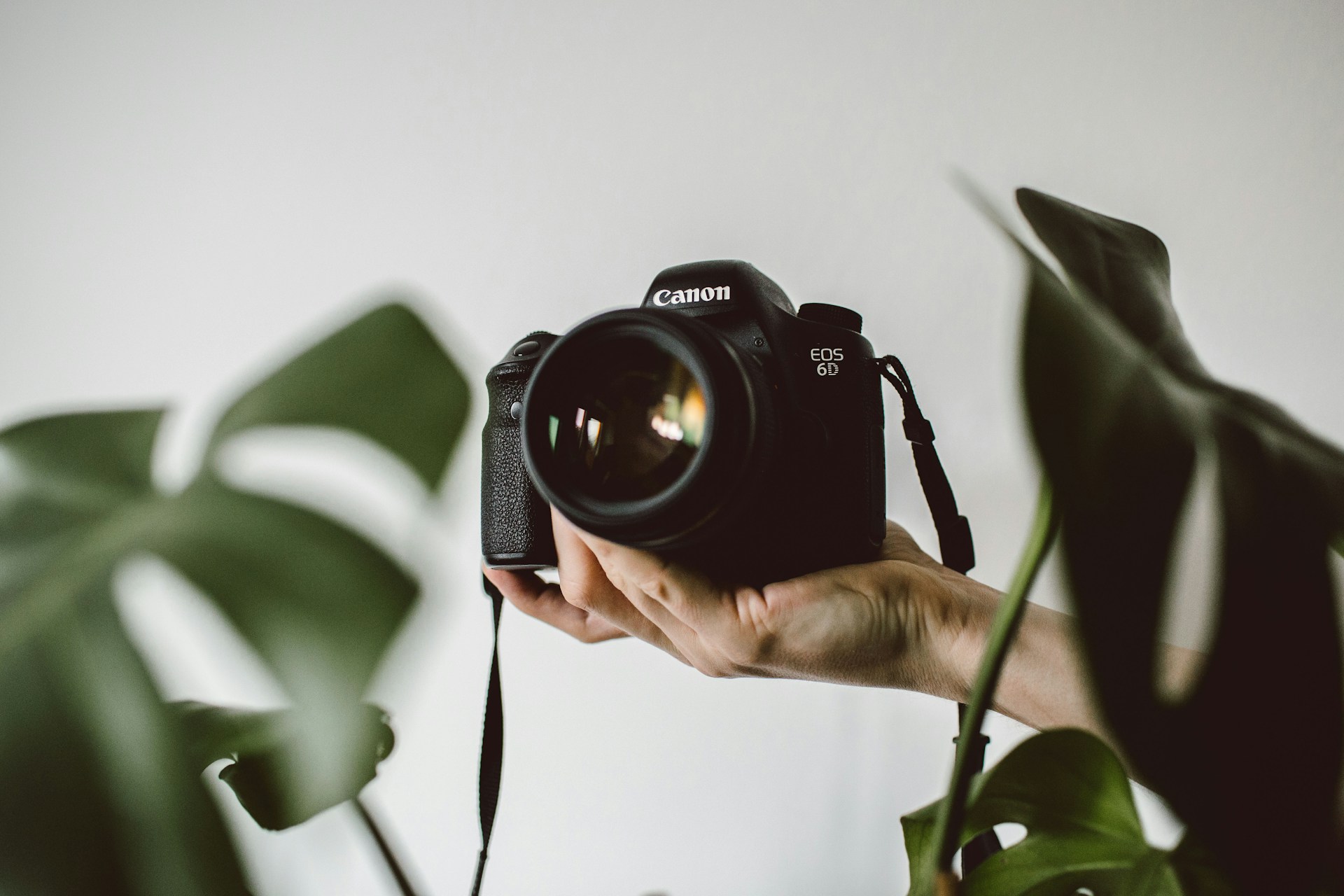
Outdoor photography asks more of equipment than almost any other genre. Cameras are carried across wet grass, set down on rocky ground, lifted into wind, and packed away in a hurry when rain arrives without warning. In that environment, protection has to be practical, fast, and adaptable. That is where the Camera Wrap proves its value. More than a simple accessory, it can become an essential part of how photographers move through the landscape, protect their kit, and stay ready for the next frame.
Why outdoor photography is harder on camera gear
Studio equipment lives in controlled conditions. Outdoor gear rarely has that luxury. Even a short walk with a camera can expose it to moisture, grit, sudden knocks, temperature shifts, and the constant friction of being packed and unpacked. For photographers working in coastal locations, forests, hills, or city streets during poor weather, protection is not just about avoiding damage. It is about preserving reliability and keeping equipment usable throughout the day.
Traditional camera bags do provide structure and padding, but they are not always the full answer. In the field, photographers often need quick access to a single camera body, a spare lens, or a compact setup that does not justify hauling a larger case. In those moments, a wrap adds a flexible layer of protection without the bulk of another compartment or rigid shell.
- Moisture: dew, drizzle, spray, and damp surfaces can affect both cameras and lenses.
- Dirt and grit: fine particles can work into buttons, mounts, and zips.
- Impact risk: even minor knocks from rocks, tripods, or vehicle floors can mark delicate equipment.
- Fast transitions: changing locations quickly often means gear is packed away in imperfect conditions.
The better the protection fits real movement and real use, the more likely a photographer is to use it consistently. That is one of the strongest arguments for a Camera Wrap in outdoor work.
What makes a Camera Wrap so useful in the field
A Camera Wrap does something very simple, but it does it well: it creates a protective barrier around a camera, lens, or accessory without locking the photographer into one storage format. That flexibility matters outdoors, where no two shoots are exactly the same. One day may call for a mirrorless body and a single lens tucked into a rucksack; the next may involve multiple lenses, binoculars, filters, and spare batteries carried across rough ground.
For photographers who value adaptable protection rather than bulk, a well-made Camera Wrap can earn a permanent place in the kit bag. It can separate a camera from other hard items, cushion lenses inside a larger backpack, or provide a clean surface for placing gear down during a lens change.
The appeal lies in versatility. A good wrap is not limited to one camera model or one type of bag. It can be used inside a hiking rucksack, a travel tote, a daypack, or a larger camera bag that needs extra internal organisation. For outdoor photographers who prefer travelling light, that kind of modular protection makes packing more efficient and more intuitive.
There is also an important workflow advantage. Unlike a hard case, a wrap can be opened quickly and folded back out of the way while shooting. That means less interruption between spotting a scene and taking the shot. In changing weather or fading light, those seconds matter.
When a wrap works better than a hard case or padded insert
A Camera Wrap is not a replacement for every other form of protection. If gear is being checked into luggage, transported with heavy equipment, or stored in situations where severe impact is a real possibility, more rigid protection may be necessary. But in many outdoor scenarios, wraps are more practical than bulkier alternatives because they match the photographer’s need for mobility.
| Protection option | Best for | Strengths | Limitations |
|---|---|---|---|
| Camera Wrap | Walking shoots, day trips, mixed-use bags | Lightweight, flexible, quick to access, easy to reposition | Less suited to heavy-impact transport |
| Padded insert | Organising a non-camera backpack | Creates structure, separates multiple items | Takes up more space, less adaptable to single-item use |
| Hard case | Travel, vehicles, high-risk transport | Strong protection, secure for fragile gear | Bulky, slower to access, less convenient while walking |
This comparison explains why experienced outdoor photographers often combine different systems rather than relying on just one. A hard case may protect equipment in transit, while a wrap handles the realities of shooting on location. That layered approach makes sense because field conditions are dynamic, and protection should be equally responsive.
How to use a Camera Wrap efficiently outdoors
The value of a wrap depends partly on how it is used. Thoughtful habits can make it far more effective and help outdoor photographers work faster with less stress.
- Match the wrap to the item. A snug fit gives better protection and avoids excess material bunching inside the bag. Use different sizes for bodies, lenses, and smaller accessories when needed.
- Keep one wrap accessible. Store it near the top of the bag so it can be reached quickly when weather changes or when a camera needs to be packed away in a hurry.
- Use it as a field surface. When changing lenses, place the wrap on the ground, a wall, or a bench first. It creates a cleaner, softer area for equipment handling.
- Separate metal from glass. Filters, compact lenses, and small accessories are easily scratched when packed together. A wrap helps isolate them and reduces contact damage.
- Dry and air it after use. After damp or muddy outings, let the wrap dry fully before storing it. Clean, dry protection is more effective and kinder to the rest of the kit.
These practices are especially useful for photographers who move between different environments in a single day. A morning woodland walk, an afternoon on the coast, and an evening viewpoint shoot all place different demands on kit. A wrap supports that changing rhythm without requiring a complete repack every time.
Choosing quality and making the Camera Wrap part of your kit
Not all wraps are made with the same level of care. Outdoor photographers should look for durable stitching, dependable fastening, material that feels protective without being too stiff, and a finish that stands up to regular handling. The best designs feel simple, but that simplicity is usually the result of thoughtful construction. A wrap should open easily, hold securely, and fit naturally into the way a photographer already works.
That is why craftsmanship matters. Photographers drawn to dependable, understated equipment often appreciate makers such as PraetegoUK Premium Camera Wraps & Bags | Made in the UK, where practical design and quality finishing align with the needs of regular field use. The attraction is not flashiness; it is reliability, discretion, and gear that does its job without demanding attention.
In the end, the Camera Wrap matters because outdoor photography is rarely tidy or predictable. Gear must be protected while remaining accessible. It must travel lightly while still being shielded from the knocks and surfaces that come with real landscapes and real weather. A good wrap meets that challenge with flexibility, speed, and quiet usefulness.
For photographers who spend time outdoors, small improvements in how equipment is carried and protected can have a lasting effect on comfort, confidence, and readiness. The Camera Wrap is one of those improvements. It may look modest, but in the field it plays a serious role: protecting valuable tools, simplifying movement, and helping the photographer stay focused on the image rather than the risk.
For more information on Camera Wrap contact us anytime:
Praetego
https://www.praetegouk.co.uk/
+447599632868
Sidcup Road
Camera Wrap Praetegohttps://static.wixstatic.com/media/c8156e_bb5c1c102e884b9b82f2931d5b626426%7Emv2.jpg
